


Our story
The Perusini Company is among the happy few (50) listed by Luigi Veronelli in the Gotha of Historic Italian Winemakers, published in 1986. It is therefore no coincidence that the oldest medieval depiction of the grape harvest and winemaking in Friuli is in a fresco at the Perusini-Antonini House in Udine (14th century, now preserved at the Civic Museum).
In the last century, when French grape varieties were still in fashion, Friulian viticulture owes to the Perusini family the selection and preservation of some ancient native grape varieties.
It was Giacomo Perusini who, in the 19th century, rediscovered the Picolit, selecting it and planting it in the Eastern Hills of Friuli. A passionate and intelligent viticulturist, he combined ampelographic research with managing the estate until his premature death during the First World War.
His wife Giuseppina, a painter, writer, and also a skilled businesswoman, began the revival of Friulian wines in the national and international markets.
His son Gaetano continued and expanded the research on traditional agriculture: he conducted fundamental studies on land agreements and the grape varieties of Friuli. Giampaolo, the other son, oversaw the selection of another native Friulian grape variety: the Ribolla Gialla. Today, the Rocca Bernarda castle, the historic seat of the company and the family, has passed by testamentary legacy to the Order of Malta, but the family tradition continues in the part of the estate that remains on the Gramogliano hill, bordered by the Judrio River, and, until 1918, the historic border between Austria and Italy.
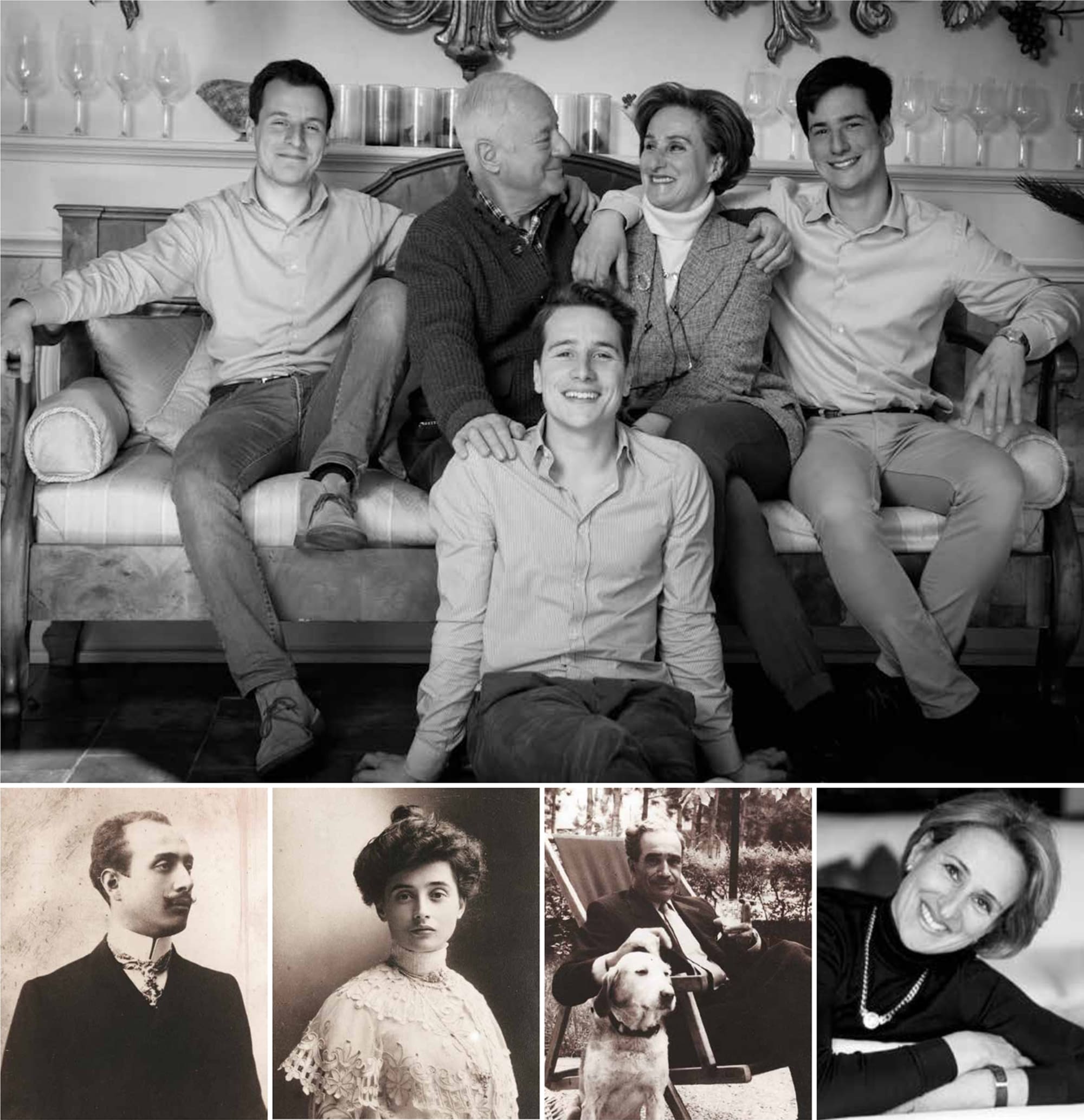
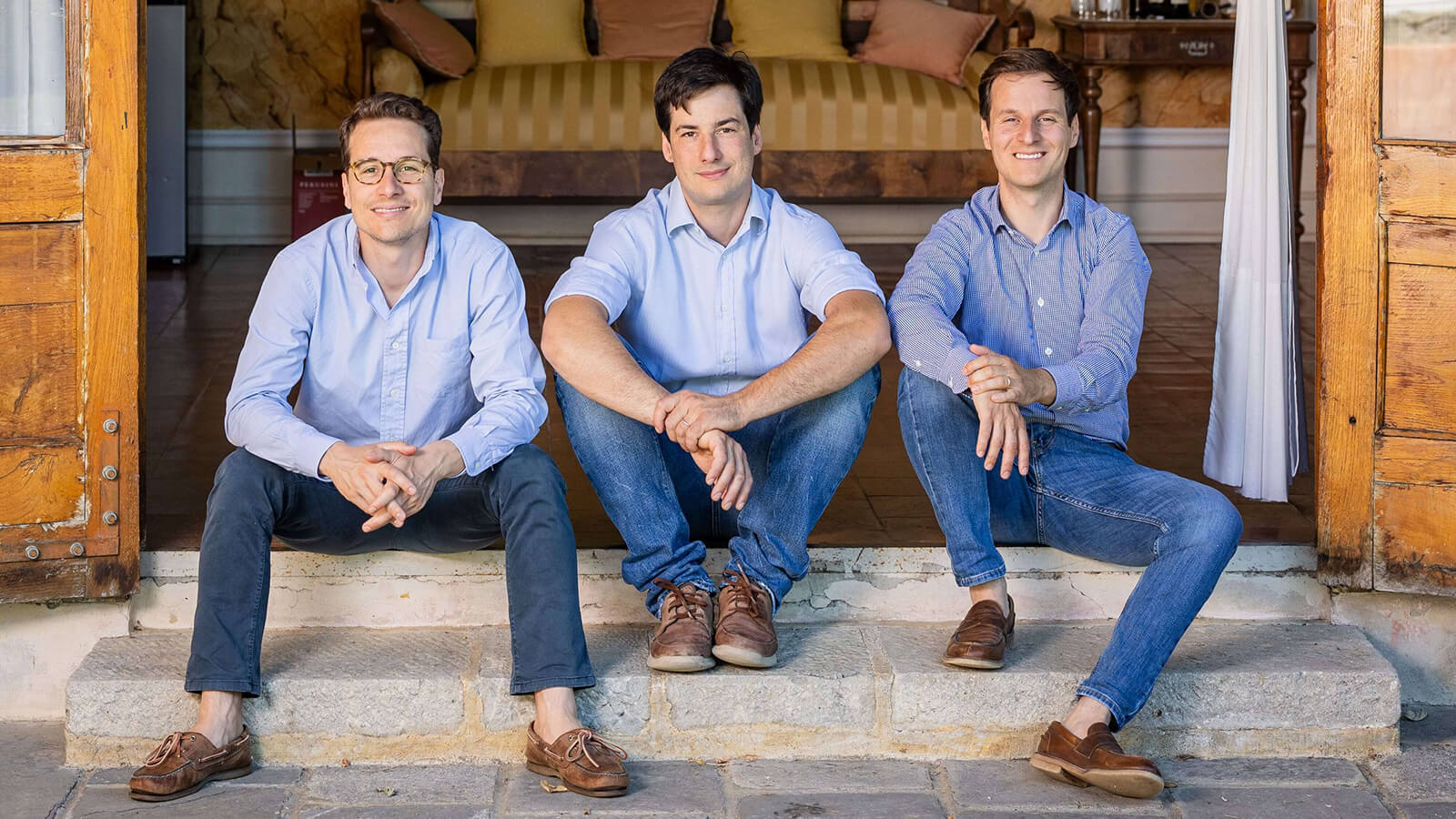
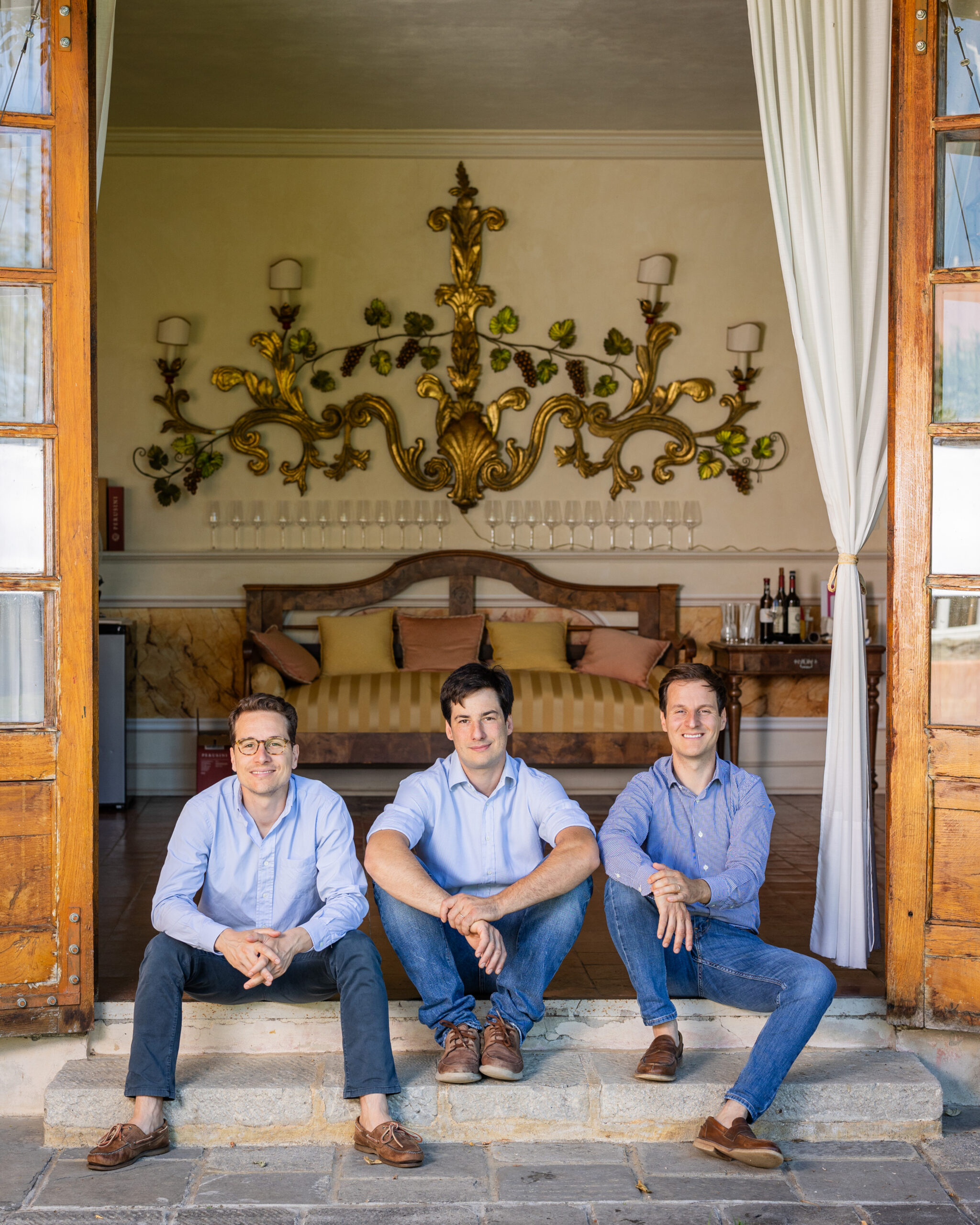
Today, Carlo, Tommaso, and Michele run it. Sons of Teresa Perusini, grandchildren of Giampaolo. This is how the family tradition continues on Gramogliano hill, known for centuries – along with Rosazzo and Rocca Bernarda – for its scenic beauty, soil, exposure, and microclimate, which make it the hors classe crus of the Eastern Hills of Friuli.
The Perusini estate is innovative not only in winemaking but also in aesthetic choices. Thus, the renovation of the company center saw the construction, alongside the 17th-century main house, of the unique tower-winery designed by architect Augusto Romano Burelli as part of a MURST research project for studying new production types in the Mediterranean area. The interior of the tower, crossed by Foucault’s pendulum, is decorated with murals by Leon Tarasewicz and the sculpture (pendulum ball) by Gianpietro Carlesso.