Image
Image

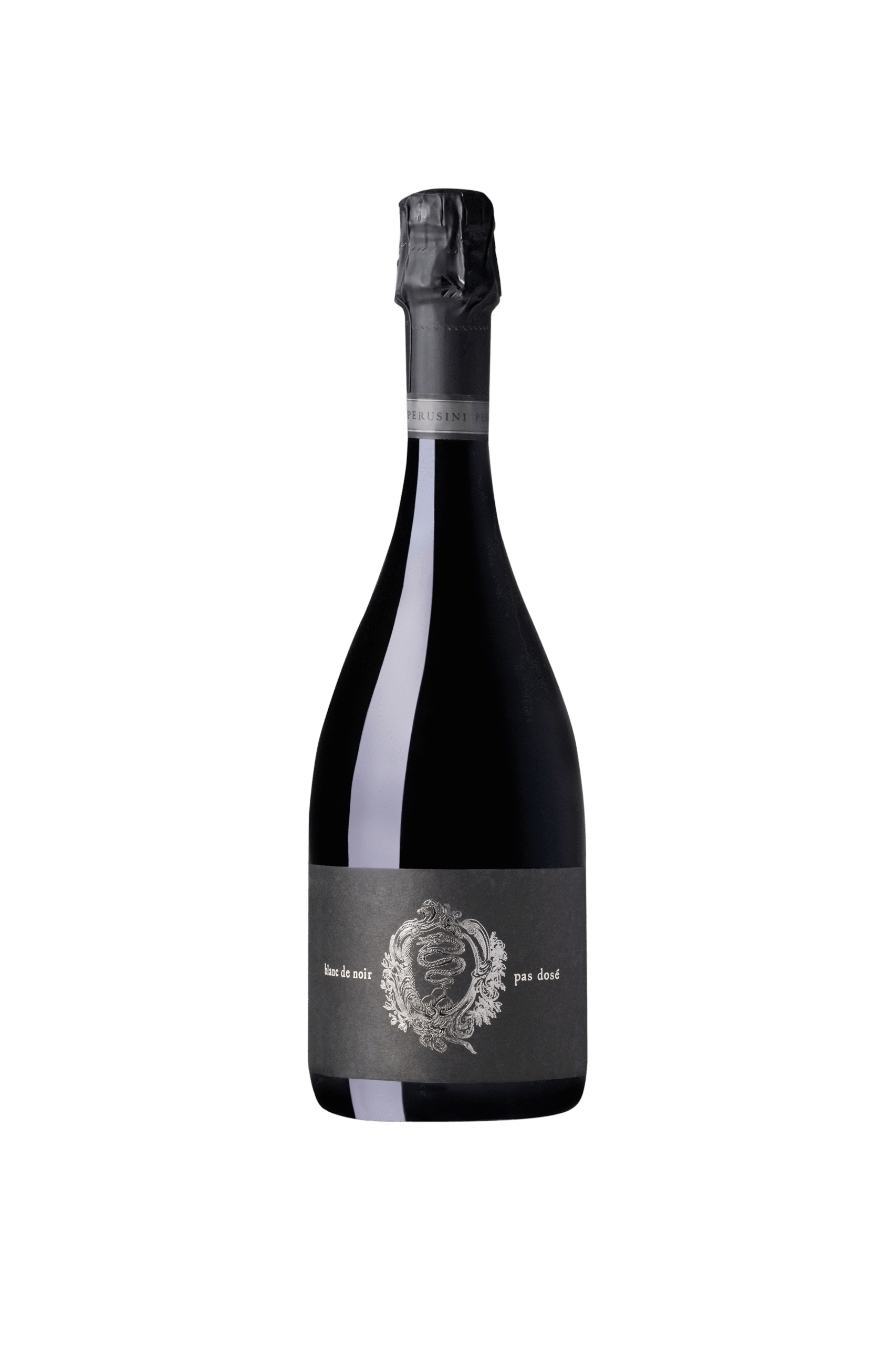
Blanc de noir

year

This classic method is made from the finest Pinot Noir grapes. This type of sparkling wine is better known in the market as Blanc de Noir. We have chosen to produce it without added sugar or liqueur, thus with a dosage of pas dosé. A minimum of 36 months aging on the lees. Complex aromas ranging from small red fruits to brioche notes, and finally to the more mineral tones of graphite and flint.

Vineyard


Denomination

VSQ Metodo classico

Soil

Ponca

Exposure

Nord/Est

Training system

Guyot

Production per hectare

ql. 80 ca

Winery


The grapes, carefully hand-harvested to preserve the integrity of each berry and prevent color loss, are brought to the winery and immediately cooled. After gentle pressing, extracting only the finest must, the juice undergoes a low-temperature resting phase (between 0 and 3 degrees Celsius) to naturally clarify. Fermentation is extended as long as possible so that the yeasts can synthesize mannoproteins, which give our Blanc de Noir the characteristic softness of great sparkling wines without added sugar. Seven percent of the must ferments in wood, enriched with lactic bacteria that have been selected over the years in our barriques; once combined with the portion aged in steel, this triggers malolactic fermentation in the rest of the wine, giving the sparkling wine both silkiness and freshness. After resting until the first spring warmth, the masses are separated from the lees and prepared for secondary fermentation. During this phase, yeast is added to carry out the second fermentation, giving the wine its bubbles and its typical brioche notes. After resting on the lees for at least 36 months, the bottles are rotated and gently tilted for disgorging, where the yeast is removed from the clarified wine.

Analytical data


Alcohol content

12,51%

Reducing sugars

1,4 g/l

Total acidity

6,58 g/l

Estratto secco

19,7 g/l

Sulphur dioxide

55 mg/l

Tasting sheet


Colour

Onion skin with amber reflections.

Nose

Complex aromas from small red fruits to brioche notes, ending with the more mineral nuances of graphite and flint.

Mouth

Creamy perlage, pronounced acidity, and dry taste.

This site is registered on wpml.org as a development site. Switch to a production site key to remove this banner.